The $6 Billion Inflection: Zero-Knowledge Proofs and the Sovereignty of Identity in 2026
The central paradox of the blockchain era has always been privacy. How can a financial institution operate on a transparent, public ledger while maintaining the strict confidentiality required by banking secrecy laws and GDPR? For years, this was the “unsolvable” barrier. But as we move through 2026, the answer has arrived in the form of Zero-Knowledge Proofs (ZKP).
At Atomy Masters, we are witnessing the birth of the SSI (Self-Sovereign Identity) Era. This isn’t just a technical upgrade; it is a $6.6 billion market shift that restores power to the individual while providing institutions with a level of “Clean Data” they have never had before.
1. The Death of the Centralized Database
Traditional finance is built on “Silos of Vulnerability.” Your bank, your credit card company, and your insurance provider all store your social security number, address, and income history in centralized databases. In 2025 alone, global data breaches cost the industry billions and eroded trust.
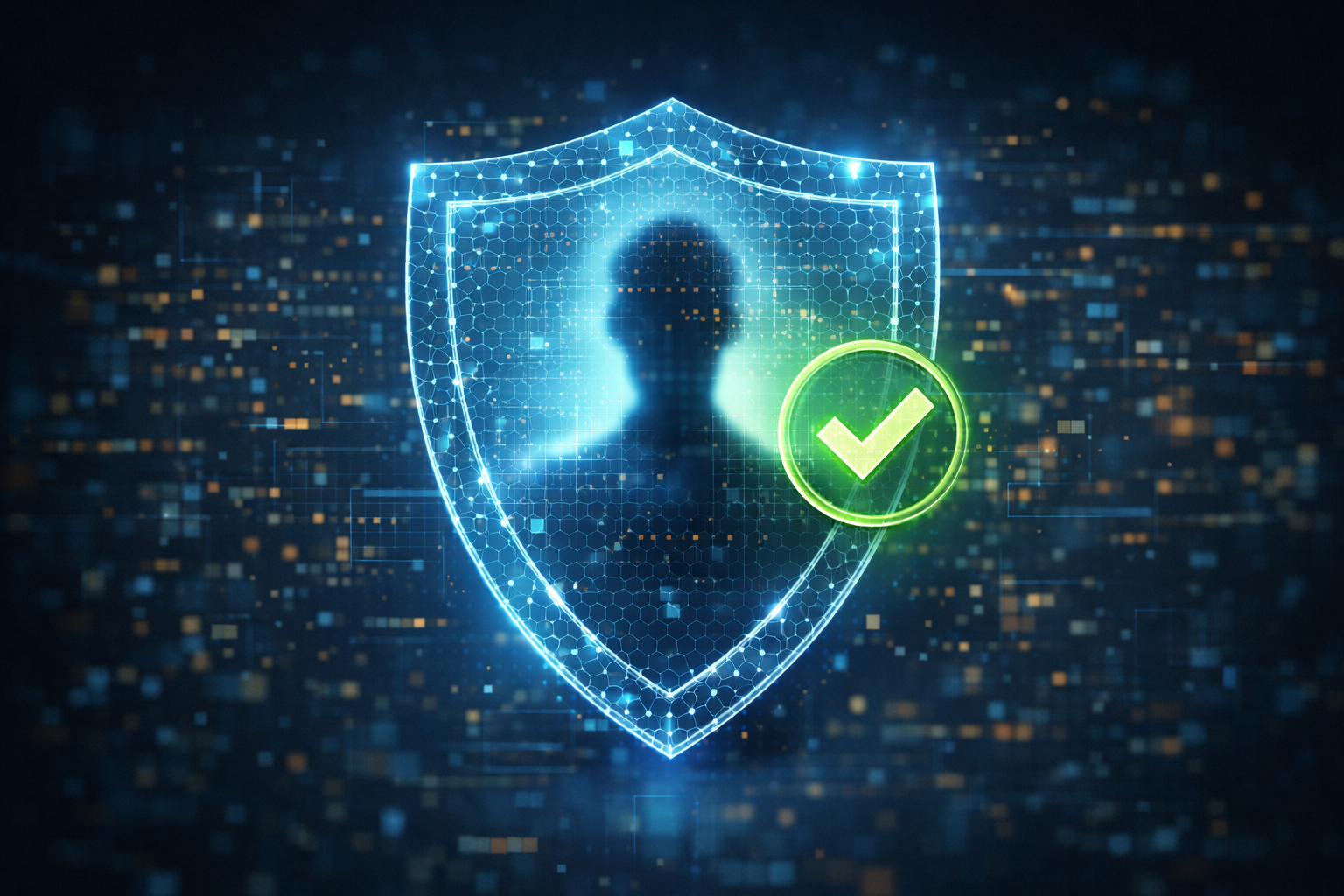
In 2026, the Atomy Masters approach shifts toward Verifiable Credentials. Instead of sending a PDF of your bank statement to a lender, you hold a “Proof” in your digital wallet. This proof, generated via ZK-SNARKs, allows you to convince a “Verifier” that your income is above $100,000 without actually revealing the exact dollar amount or your employer’s name. This is “Privacy-by-Design” in its purest form.
2. Institutional ZK-Rollups: Scaling Privacy
The infrastructure of 2026 has consolidated around Institutional ZK-Rollups. Major players like JPMorgan and BNY Mellon are no longer experimenting with private blockchains; they are using ZK-technology to settle transactions on public rails like Ethereum, but with a “Privacy Wrapper.”
Why 2026 is Different:
- Selective Disclosure: Users can choose to share their “Accredited Investor” status with a platform while keeping their total net worth hidden.
- On-Chain Compliance: We have reached a point where Embedded Finance 2.0 protocols can automatically reject a transaction if the user’s ZK-proof doesn’t match the required jurisdictional “Trust Score.”
- Collateral Efficiency: Because ZK-proofs provide “Instant Truth,” lenders can offer higher LTV (Loan-to-Value) ratios on Tokenized Real-World Assets (RWA) because they have cryptographic certainty of the asset’s provenance.
3. The Global Catalyst: eIDAS 2.0 and the EUDI Wallet
You cannot talk about 2026 identity without mentioning the European Digital Identity (EUDI) Framework. As of late 2025, every EU member state is now required to provide a digital wallet to its citizens. This has created a massive, 450-million-person testbed for decentralized identity.
For the Atomy Masters community, this means that the “Retail Bottleneck” has been broken. When half a billion people have a government-backed wallet that supports ZK-proofs, the transition to on-chain finance is no longer a choice—it’s an inevitability. We are seeing similar movements in the US with Mobile Driver’s Licenses (mDLs) now accepted at hundreds of TSA checkpoints and by major financial apps.
4. The Technical Meat: ZK-SNARKs vs. ZK-STARKs
To truly master this space, one must understand the tools of the trade. In 2026, the market is split between two primary technologies:
- ZK-SNARKs: The “Small and Fast” proofs. These are widely used for identity verification and private transactions because they are computationally light on the user’s mobile device.
- ZK-STARKs: The “Quantum Secure” proofs. While larger in size, these are being adopted by institutional clearinghouses that require long-term protection against future quantum computing threats.
The “Prover-Verifier” Dynamic
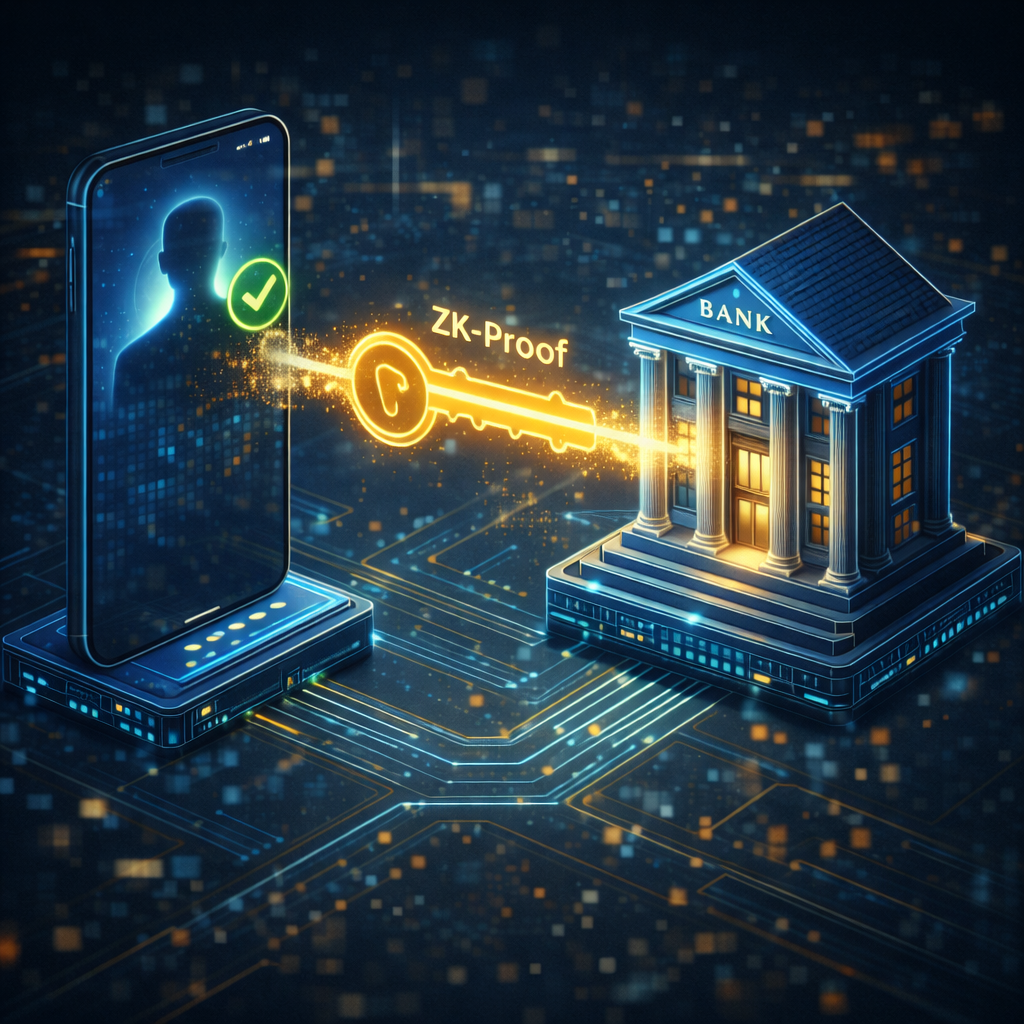
In this new ecosystem, your smartphone acts as the “Prover.” It performs the heavy math to create a cryptographic proof of your identity. The bank or DeFi protocol acts as the “Verifier,” running a simple check that takes less than a second. This eliminates the “Manual Review” phase of banking, reducing onboarding times from days to milliseconds.
5. Navigating the Risks of a “Trustless” World
At Atomy Masters, we always balance innovation with caution. The shift to SSI and ZKP brings new risks that investors must monitor:
- The “Key Loss” Crisis: In a self-sovereign world, losing your identity “Keys” is far more dangerous than losing a password. We are seeing a rise in Social Recovery and MPC (Multi-Party Computation) wallets to mitigate this risk.
- Biometric Poisoning: As AI deepfakes become more sophisticated, the “Liveness Detection” in your digital wallet must be updated constantly to ensure that a 3D render isn’t posing as a human.
- The “Governance Gap”: Who decides which “Issuers” are trustworthy? In 2026, we look for decentralized trust registries that are governed by transparent, on-chain DAOs rather than single corporations.
Conclusion: The Sovereign Future
We are entering a period where your “Identity” is your most valuable financial asset. By separating data from verification, Zero-Knowledge Proofs have finally solved the blockchain’s privacy problem.
For the Atomy Masters reader, the path is clear: The next billion users will not come to crypto for “trading”; they will come because it is the only place where they can prove who they are without giving away their life’s secrets.












Post Comment