
The Physical Frontier: How DePIN is Building the Backbone of AI Finance in 2026
The narrative of “digital-only” assets is officially evolving. In early 2026, we officially crossed a threshold where the “Agentic AI” driving our financial decisions requires more than just optimized code—it requires massive, localized physical infrastructure. This has led to the explosion of DePIN (Decentralized Physical Infrastructure Networks), a sector that has grown into a $3.5 trillion industry by merging physical hardware with blockchain-based incentives.
At Atomy Masters, we recognize that the next phase of wealth creation isn’t just about trading tokens; it’s about owning the rails upon which the digital economy runs. This is the “Hardware Layer” of the economy, and it is the only way to scale the liquidity shifts we are seeing in Tokenized Real-World Assets (RWA).
1. What is DePIN? (The Hardware Revolution)
DePIN uses crypto-economic incentives to build and maintain physical infrastructure in the real world. Think of it as Uber or Airbnb, but for the very building blocks of technology. Instead of a central corporation like Amazon (AWS) or Google owning all the servers, a global network of independent providers owns the hardware and earns rewards for its use.
In 2026, DePIN has moved beyond a “tech hobby” into a primary asset class for Embedded Finance 2.0 ecosystems. Institutional investors are now using these networks to diversify away from traditional equity and into “Hard-Coded Revenue” streams generated by physical machines. This infrastructure is what provides the necessary compute and data storage to manage the trillions of dollars currently being moved into Tokenized Real-World Assets (RWA).
2. The Four Pillars of the 2026 DePIN Economy
To navigate this niche effectively, the Atomy Masters community must focus on the four primary sectors driving the highest RPM and investor interest this year:
A. Compute Networks (The GPU Gold Rush)
With the world running on Agentic AI, the demand for GPU (Graphics Processing Unit) power has surpassed oil as the most sought-after commodity. DePIN projects allow individuals to contribute their idle GPU power to a global pool, which is then used by AI startups to train models. Providers earn native tokens plus a share of the “Compute Fee” paid by the AI developers.
B. Decentralized Wireless (DeWi)
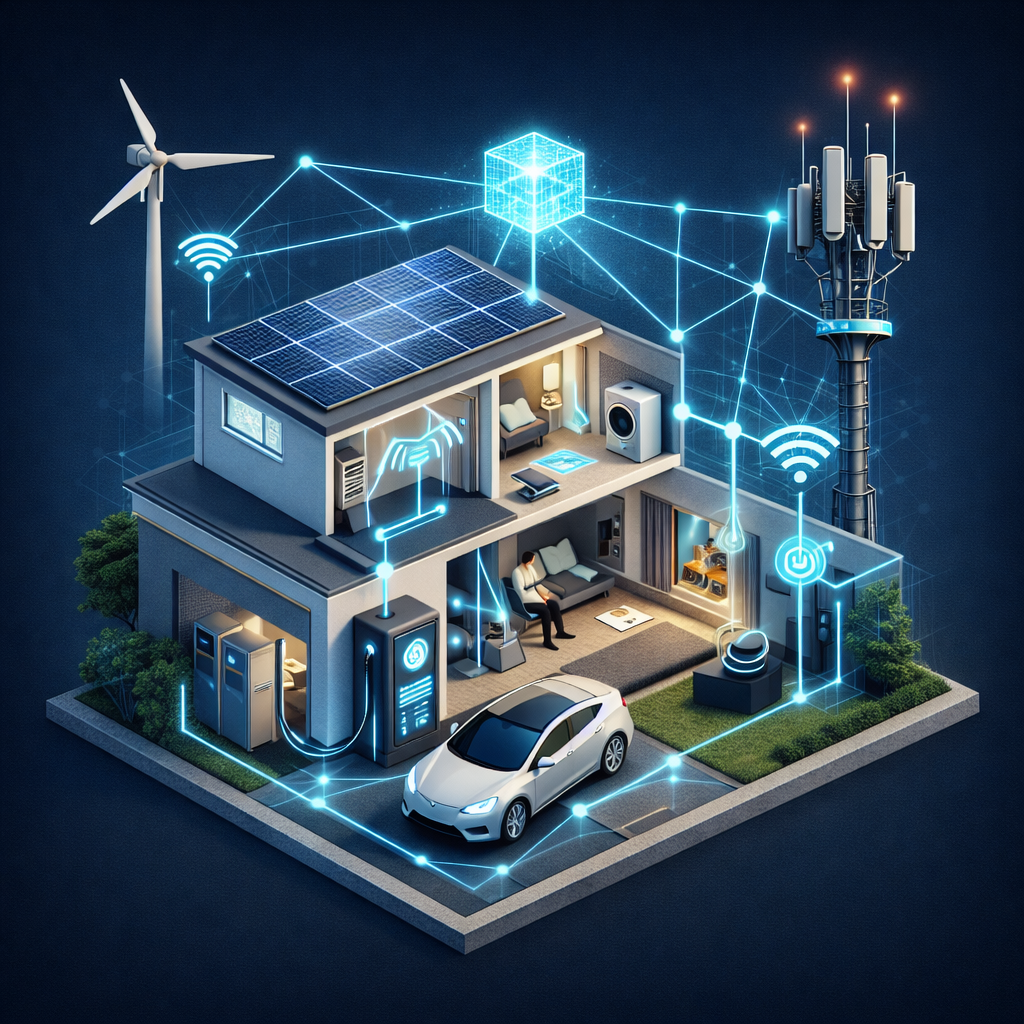
The rollout of 6G and the “Internet of Everything” requires more localized connectivity than traditional cell towers can provide. DeWi networks allow users to set up small-cell nodes in their homes or businesses, providing coverage to their neighborhood and earning rewards for every megabyte of data transmitted.
C. Energy Grids (The Tokenized Battery)
Energy is becoming a liquid currency. Decentralized energy networks allow homeowners with solar panels and batteries to sell excess power back to the grid or to their neighbors, settled instantly via smart contracts. This is a crucial component for the physical maintenance of the data centers that house our tokenized portfolios.
D. Sensor Networks (The Data Layer)
Autonomous vehicles and smart cities require real-time weather, traffic, and environmental data. DePIN sensor networks reward users for placing small, low-power sensors in their environment, creating a hyper-local data map that is sold to navigation companies and hedge funds.
3. Why DePIN is the Ultimate “Passive Income” Strategy
For the Atomy Masters reader, DePIN represents the holy grail of personal finance: Non-Correlated Yield. Unlike traditional stocks or crypto, which often move in sync, the demand for a decentralized wireless network or a GPU cluster is driven by utility.
The 2026 ROI Structure:
- Hardware Rewards: Earn tokens just for keeping your machine online (The “Liveness” Reward).
- Service Fees: Earn a percentage of the actual revenue generated by the network (The “Usage” Reward).
- Governance Power: Hardware owners often receive voting rights over the network’s future direction and fee structures.
4. The Technical Meat: ZK-SNARKs vs. ZK-STARKs in Infrastructure
To ensure these decentralized networks are secure, 2026 has seen a massive implementation of Zero-Knowledge technology. This ensures that while you are providing data or compute, your private location and identity remain shielded. This is the same level of security required for high-stakes institutional finance.
5. Navigating the Risks: Hardware and Regulation
While the potential is massive, DePIN brings new risks. Hardware obsolescence is a reality; a GPU that is profitable today might be underpowered in 18 months. Furthermore, as decentralized networks compete with massive utilities, regulatory scrutiny is increasing. At Atomy Masters, we prioritize projects that have “Regulatory-Ready” compliance built into their smart contracts.
Conclusion: The Era of Hardware Sovereignty
The year 2026 marks the moment the blockchain finally “touched the ground.” DePIN is the bridge that allows the digital wealth we’ve built to manifest as physical infrastructure. By owning the hardware, you are no longer just a spectator in the AI revolution—you are its landlord.













Post Comment